
why
what's wrong...
Every month of delay carries a price
The average time a rare disease patient spends searching for a correct diagnosis.
EURORDIS 2024; EJHG DOI 10.1038/s41431-024-01604-zA patient without a diagnosis is not waiting — their condition is worsening.
Undiagnosed and untreated
You keep receiving prescriptions, referrals, and opinions, but no one puts them together — so despite all the effort, you still do not know what is really happening in your body.
Diagnosed and treated at the source
Once the story is put together, treatment can finally address the mechanism of disease, not just the next symptom.
Undiagnosed and untreated
You keep receiving prescriptions, referrals, and opinions, but no one puts them together — so despite all the effort, you still do not know what is really happening in your body.
Diagnosed and treated at the source
Once the story is put together, treatment can finally address the mechanism of disease, not just the next symptom.
The difference is one step: SYNTHESIS.
What synthesis changes
You are not a case without an explanation. Your story needs synthesis.
A diagnosis does not always give a simple answer. But it gives direction.
Synthesis separates signal from noise. It shows what is already known, what still needs to be found, and where the turning point may lie.
Understand what is happening
See the bigger picture: which symptoms, results, and episodes fit together, and which are false leads.
Regain agency
Know what to watch, what to avoid, and when to act faster — so you do not lose more health or time.
Move toward the right help
If there is a sensible path — treatment, rehabilitation, medication, or a change of plan — follow it deliberately, not blindly.
Scattered clues
Case synthesis
Symbolic map: scattered diagnostic clues converge into one case synthesis.
Treatment. Control. Or simply: you stop losing ground.
If this is what the right direction looks like, why does the traditional path so rarely reveal it?
Just no one puts everything together into the Full Picture
The problem is not that doctors don't want to help. The problem is that the system splits responsibility across short visits, specialties, and individual results.
When the problem is typical, the system works well. When symptoms span several systems, results conflict, and documentation piles up for years — continuity starts to break down.
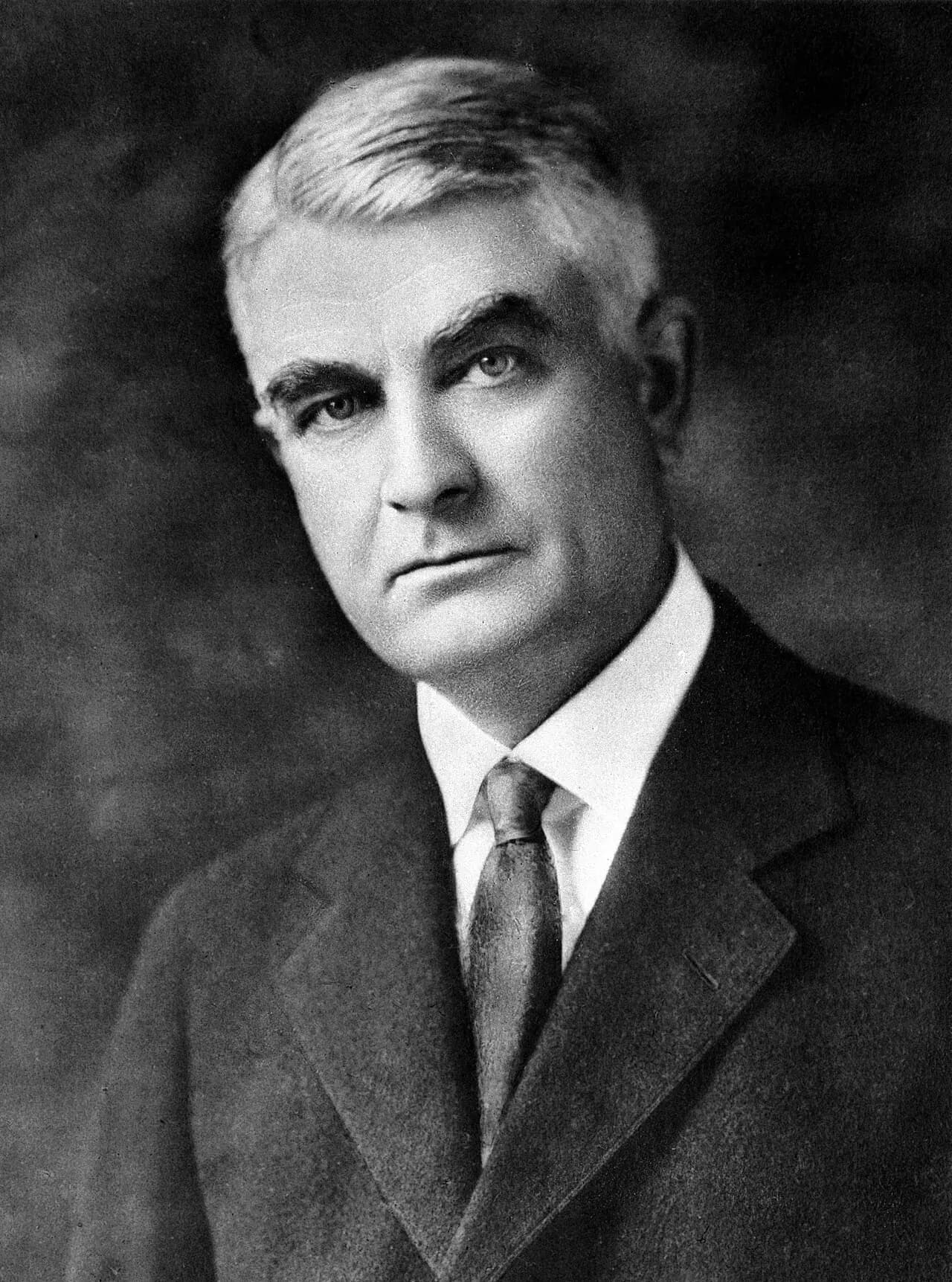
A specialist is a man who knows more and more about less and less.— William J. Mayo
You do not escape a hole by digging deeper. You need a ladder.
After every visit, another fragment of an answer remains — and the same burden: telling the story from the beginning again.
Depth helps. But without a shared axis, direction is easy to lose.
A specialist is a man who knows more and more about less and less.— William J. Mayo
You do not escape a hole by digging deeper. You need a ladder.
After every visit, another fragment of an answer remains — and the same burden: telling the story from the beginning again.
Depth helps. But without a shared axis, direction is easy to lose.
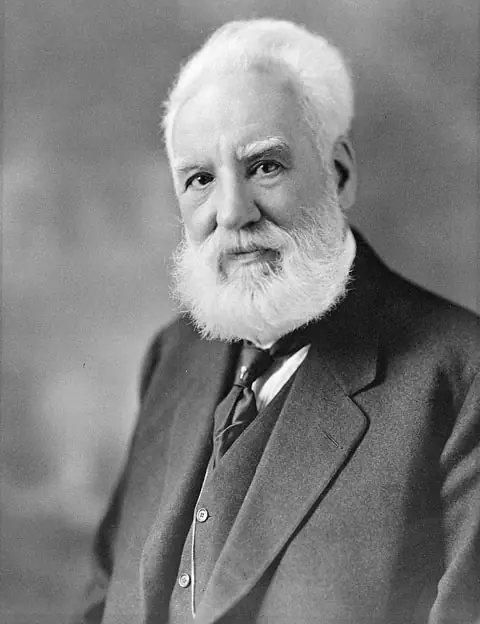
Concentrate all your thoughts upon the work in hand. The Sun's rays do not burn until brought to a focus.— Alexander Graham Bell
A broad view — focused on one person
Here, breadth does not mean chaos. It means placing symptoms, results, medications, chronology, and previous decisions side by side — so the right leads can be narrowed.
Full context does not multiply questions. It organizes the next step.
Concentrate all your thoughts upon the work in hand. The Sun's rays do not burn until brought to a focus.— Alexander Graham Bell
A broad view — focused on one person
Here, breadth does not mean chaos. It means placing symptoms, results, medications, chronology, and previous decisions side by side — so the right leads can be narrowed.
Full context does not multiply questions. It organizes the next step.
I know what this system does to an unusual case...
because I lived that odyssey myself.
This is where the real work begins: case reconstruction, not another isolated opinion. Chaos becomes a working model — something that can be tested and turned into decisions.
“what hurts?” “why this pattern?”
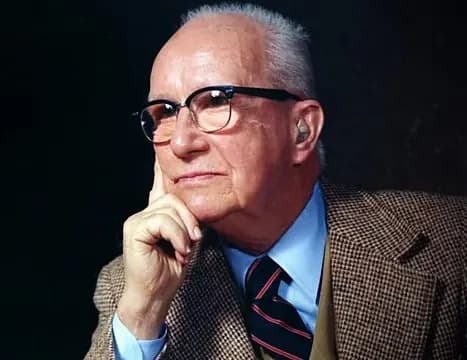
You never change things by fighting the existing reality. To change something, build a new model that makes the existing model obsolete.— Buckminster Fuller
You're here because no one connected the dots
Years of symptoms. Stacks of results. Contradictory opinions. Every specialist saw their fragment, but no one assembled the whole picture. No diagnosis. No direction. You've had enough.
This is not your fault. It's a system that fragments instead of connecting.
You need someone who sees the whole picture
Not another specialist. Someone who puts symptoms, results, history, genetics, lifestyle on one table — and asks what connects them. Someone who reads everything, not just the last page.
You know you're looking for the right thing — not another opinion, but synthesis.
You send me your whole story
Not a summary. Discharge letters, test results, imaging, genetics, treatment history, medications — everything. The more complete your documentation, the faster I start thinking, not just collecting. No one should compress years of illness into a few minutes.
You don't have to retell your story from memory. Someone finally reads it in full.
I read cover to cover before we meet
Every result indexed. Every contradiction flagged. Every gap in the timeline noted. Then the interview — 2-3 hours in complex cases. Questions about sequence, connections, genetic and family context, sleep, stress, medications tried and abandoned. I listen to what you don't say, too.
Your case has a starting point. Not from zero.
I connect what others saw separately
Immune, hormonal, neurological, metabolic, gut, sleep, stress, environment — all together. Not organ by organ. The question isn't: which specialist? The question is: which mechanism connects these symptoms? Several competing hypotheses, ranked by strength of evidence, tested against the full story.
For the first time, you see your case as a pattern, not chaos.
This is not a 15-minute visit
You'll need to gather documentation. Dedicate time to a long interview. You may learn things that reframe your understanding. This is not a 15-minute visit — it is a complete case reconstruction, from raw data to a coherent model.
You know how much work goes into your case. And why it costs what it costs.
You receive a clear medical opinion, not loose impressions
After the Full Picture path, you receive a visit summary: complete history, epicrisis, causal understanding, differential diagnosis — possible and excluded diagnoses — and recommendations. In the First Picture path, I issue an opinion based on documentation, without the interview. You also receive a 1-pager: one page describing your case, made to show any future doctor. The plan can include tests, treatment, medications, supplements, diet, sleep, movement, lifestyle changes, off-label options, referrals, and monitoring.
You have a clear case summary and next-step plan — understandable and usable.
You know what you're fighting and how
What used to feel like a pile of symptoms, results, and opinions starts to become one coherent story. You know what to check next, what to treat, what to watch, what to stop chasing, and which specialist actually makes sense. This is not “wait and observe”. This is a plan for what to do next.
You have direction, concrete next steps, and language to finally describe your case.
A physician is obligated to consider more than a diseased organ, more even than the whole man — he must view the man in his world.— Harvey Cushing
When "normal results" don't match how you feel.
Example 1 — nervous system and environmentSometimes the breakthrough is not a rare diagnosis, but recognizing an overloaded regulation system and rebuilding physiology so the body can recover again.
When symptoms come and go, and tests between episodes look "almost normal."
Example 2 — urea cycle and nitrogenIn a urea cycle defect, diagnosis translates into concrete decisions: how much protein, how to avoid catabolism, what to do during infection, and when to use nitrogen-scavenging treatment.
When symptoms across different systems — mouth ulcers, gut, joints, eyes — no one connects into one pattern.
Example 3 — Behçet and multisystem inflammationIn Behçet disease, connecting oral ulcers, gut, skin, joints, eyes, vessels, and neurologic symptoms can turn "strange separate problems" into a recognizable inflammatory pattern with a concrete treatment path.
This way of working has a name: wEBMed. It is not a slogan — it is a map of three layers that must work together.
web / network of dependencies
A person is not a collection of separate organs. Symptoms, results, systems, history, and environment form a network that has to be seen together.
Evidence-Based Medicine
Decisions should come from data, biology, mechanisms, and scientific literature — without magic, shortcuts, or pretending certainty.
education / explained
The patient should understand why something is being done. Explanation is not an extra — it is part of regaining control.
Hope begins when a model appears.
Without understanding the mechanism, what remains is chaos: more visits, more results, and more conflicting suggestions. When the dependencies begin to appear, decisions become possible: what to test, what to rule out, what to monitor, what to relieve first, and where to look for treatment. This is not passive waiting for a miracle. It is regaining direction.
This is not a list of organs. It is an architecture of connections.
The 3D model shows what a standard visit rarely makes visible: a human being is not a collection of separate parts. Systems, organs, tissues, metabolism, hormones, immunity, nerves, vessels, and environment form one network. Causative Medicine tries to organize that network for one specific person.
Rotate, zoom, explore — body complexity as a map of the case.
In your written synthesis, this idea becomes a personalized map: symptoms, results, organs, systems, and hypotheses connected by causal lines, not a list of random diagnoses.
The biopsychosocial model is part of my thinking — I consider body, mind, and behaviours together. But the front-door promise is precise: diagnostics, synthesis, map, and plan. Foundations — sleep, nutrition, movement — appear where they are clinically relevant.
step by step, with precision.
This is a paid medical synthesis process: I read the whole case, connect the pattern, and set a usable direction. The filter below helps you decide whether this level of work fits your situation.
This package is for you if:
You are exhausted by 15-minute visits
You want the deepest medical analysis available, not another quick opinion based on one fragment of documentation.
You value structured data, true EBM, and due diligence
You expect facts to be organized, evidence-based medicine to be real, and the work to be done carefully rather than quickly.
You understand real medicine takes time
You know difficult cases are not solved in five minutes — and focused physician time is expensive.
You may be the family organizer or advocate
This may be your own odyssey or your fight for a parent, partner, child, or someone who no longer has the strength to manage the case alone.
You have a diagnosis, but something does not add up
A label exists, but it does not explain all symptoms, the disease course, test results, or lack of treatment response.
This package is not suited for:
You expect miracles, a magical pill, or pseudoscience
This is not an alternative promise of healing. It is medical analysis, synthesis, and work on facts.
You want a quick free email consultation
A years-long medical history cannot be responsibly analyzed in five minutes or for free over email.
You are not willing to gather documents or change habits
This process requires material to analyze and readiness to act. Without documentation and cooperation, there is no synthesis.
You need ER-level or urgent care
I run a diagnostic practice, not urgent care. If the case needs deep analysis — that is what the process is for, not outside contact.
Not ready for the process yet? Start by organizing your documents.
Before committing to the process, prepare a timeline, results, and questions — the educational material will show you how. It is a free first step.
Start with educational materialopen_in_newEducational material does not replace a consultation and is not individual medical advice.
Frequently asked questions
A good candidate is a patient with a long, not-yet-fully-explained, multi-system health problem — including someone who already has a diagnosis, but that diagnosis does not explain the full symptom pattern, disease course, or failed treatment response. This process is for someone who has accumulated documentation and wants the whole picture synthesized. It is not the right step if you only want a quick prescription, a quick referral, or a rubber-stamp confirmation of one diagnosis without re-analysis.
Yes, if the problem is not the absence of a disease name, but lack of confidence, coherence, or an effective plan. Some patients come without a diagnosis. Others already have one, but it does not explain the full symptom pattern, test results, relapses, or lack of treatment response. The goal is not to automatically “disprove” the diagnosis, but to check whether the current model truly fits the data — what should be confirmed, what should be ruled out, what needs differential review, and which next step makes the most sense.
"Everything" usually means many isolated consultations — but not synthesis. A comprehensive documentation audit, deep interview, and systems thinking are qualitatively different from another specialist visit. Many of my patients come precisely after "everything" has failed.
The package is available entirely remotely. Documentation is submitted electronically, the interview takes place via video call, and the written synthesis is delivered digitally and in print form. If you prefer an in-person visit — you are welcome at the studio and practice in Żary, Poland (68-200, ul. Poznańska 3B/0). You do not need to be in Poland or any specific city — the process works fully remotely.
Yes. An in-person consultation is available with prior scheduling — at the studio and practice at ul. Poznańska 3B/0, 68-200 Żary, Poland. The diagnostic process follows the same structure as remotely, the only difference being that the interview and results discussion happen in person rather than via video call.
The documentation audit typically takes 1–2 business days before the interview session. The interview itself lasts as long as we need. The written synthesis is ready within 2–5 business days after the session — as fast as possible, though complex cases may take longer.
Your data is processed in accordance with GDPR and medical data protection regulations. Medical documentation is stored securely and used exclusively for your diagnostic process. Details can be found in the Privacy Policy.
Yes — this is one of the primary purposes of the document. The written synthesis with scientific rationale is designed so that any new specialist can understand the case history without you having to re-explain everything from the beginning. The package also includes a dedicated One Pager — a condensed, single-page summary prepared specifically to hand off to another doctor.
What you receive depends on the package chosen. First Picture is a written opinion based on your records. Full Picture adds a consultation, diagnostic interview, and action plan. Full Guidance includes all of that plus 90 days of remote support with your lead physician. In all cases, these are diagnostic services — the package price does not cover treatment costs, procedures, medications, or hospitalization. You receive recommendations for next therapeutic steps that you can pursue on your own or with the help of chosen specialists.
The best approach: gather all documents and bulk-scan them — consider visiting a copy shop, where they'll do it quickly and legibly. Scan quality matters — it saves analysis time. The submission format is entirely up to you: email, cloud storage (Google Drive, Dropbox), a USB drive sent by mail, or our patient portal (available after booking). If you're unsure how to get started — call +48 503 603 008, we'll guide you.
Yes. The report is written for you — always in an accessible and understandable form. I explain complex issues to patients in plain language, using everyday analogies. Professional terminology appears only on the dedicated One Pager — a single-page summary prepared for other doctors. The entire main report is written so that a person without a higher education or medical background can understand it.
Absolutely — and I'm very happy to. I collaborate formally and informally with many specialists, fellow physicians across different fields. The report and One Pager are designed specifically as a collaboration tool: your existing doctor can read them in minutes and immediately understand what we've worked on. With your consent, I can share a copy of the report or discuss the findings with your specialist. Collaboration is always welcome.
With First Picture, contact ends upon document delivery. With Full Picture and Full Guidance, you can ask questions after receiving the synthesis — and if needed, additional consultations are available for purchase (300 PLN / 30 min, 500 PLN / hour). Regardless of the package: you can return at any time, get another consultation, ask follow-up questions. The report and One Pager are your tools for years.
Yes — First Picture is a full-value diagnostic service. You receive a synthesis and summary ready to show other doctors, a preliminary differential diagnosis, a list of diagnostic exclusions, and potential diagnoses. We won't assess your lifestyle, mental state, or habits — that requires the interview included in Full Picture — but we will help with the main goal: the undiagnosed condition. If you later decide to upgrade to Full Picture, the 1,500 PLN is credited.
I specialize in rare diseases — the "Dr. House"-type cases, often even rarer than those on television. This includes autoimmune and autoinflammatory diseases, genetic conditions, rare infections, immune disorders, and neurological diseases. Many of these span the boundaries of several specialties — which is why almost no one handles them within a single practice. The full catalog of rare diseases is available at OrphaNet (https://www.orpha.net) — if your condition is listed there, it likely falls within my clinical scope.
Briefly: this is a physician built for complex cases.
Tens of thousands of consultations and years working with difficult medical histories.
Personal experience of a diagnostic odyssey — without turning this section into a second biography.
The ability to read the whole: records, timeline, family risk, genetics, and patterns.
I read everything. I take the whole case seriously. I will not rush you.
You can see this kind of analysis in the PACNS patient story — as an example of reasoning, not a promise of outcome.
Direction, not a guarantee.
Honesty instead of false promises.
Medicine gives no guarantees. A final diagnosis may still escape us, and treatment may remain difficult. I do not promise miracles — I promise the deepest analysis modern medicine can offer.
Even if we do not find a magical cure, you leave with direction. We separate signal from noise. We check whether previous diagnoses and treatments truly fit the data. We rule out dead ends. You move from 1/10 to 3/10. You gain the peace of knowing that EVERY stone was turned by a physician. Knowing what this is NOT can be as valuable as knowing what it is.
Structure: Your medical story organized for the first time in your life
Clarity: You know what has already been ruled out and why
Direction: Concrete next steps instead of vague recommendations
Peace: Confidence that everything possible was actually done
Tool: A one-pager to give every future doctor
This is not a promise of a miracle. It is a promise that you will not be left alone with chaos.
One path: order, direction, fit.
Instead of separate walls of documents and package copy, this section shows the process: what we organize, how we choose next steps, and what remains in your hands after the work is done.
“You are not buying paperwork. You are buying synthesis.”
You are investing in my time, focus, and experience. I will analyze every page of your history, connect the dots the system had no time for, and set a concrete direction.
A single story emerges from document chaos.
First we organize the past: results, discharge summaries, imaging, consultations, genetics, family risks, and timeline. The goal is a map that can be understood without starting from zero.
You know what makes the most sense next.
Then we separate dead ends from leads that need closure. The result is prioritized diagnostics, differential diagnosis, and justified treatment where it makes clinical sense.
The process has to fit the real life of the patient or caregiver.
Finally we translate conclusions into prevention, lifestyle, working goals, and material you can bring to future doctors.
One-Pager: stop retelling the same story from zero.
One page for future doctors: the problem, timeline, key findings, diagnoses to consider, red flags, and next steps. It is the most important anti-chaos document in the whole process.
You bring it to every future consultation.
It reduces case handoff from 40 minutes to a few.
It protects key details from getting lost.
You receive a guide for organizing your medical history: tests, discharge summaries, imaging, consultations, and key dates.
You also receive a practical basics guide for health: eating, sleep, movement, supplementation, and daily habits.
A rare PACNS case. When “neurodegeneration” turned out to be CNS vasculitis.
One real, heavily anonymized story showing why difficult cases — including those with existing suspicions or previous diagnoses — require whole-case synthesis, not another quick opinion.
A conversation with the patient
An interview with the patient about the journey from worrying symptoms, through months of consultations, to the diagnosis and treatment that saved his life.
This disease is so rare that it can disappear under the labels of neurodegeneration, psychiatry, or “unclear changes”.
This was my case. Over about two months, the patient deteriorated rapidly: he was admitted to one hospital, then another center and another, with Guillain-Barré syndrome among the suspected diagnoses. He suffered several strokes in a short period. The records contained clues, but each clue alone was insufficient. Only when they were connected into one map and the CNS vasculitis hypothesis was formed did the right path open.
What synthesis looked like
Broad differential
Several paths had to be considered first: APS, infection, autoimmune encephalitis, neuro-Behçet, mitochondrial disease, and vasculitis.
Weak signals de-emphasized
Isolated low-titer anticardiolipin IgG did not explain the whole case. It had to be closed properly, but it could not become the central diagnosis.
Inflammatory-vascular pattern
Progressive deficits, repeated stroke events, and the overall pattern increasingly shifted the reasoning toward CNS vasculitis — rare, severe, and easy to miss.
A prognosis-changing decision
In cases like this, time matters: the right diagnosis opens the path to aggressive immunosuppressive treatment before injury becomes irreversible.
The turning point
Instead of treating the symptoms as "another unexplained neurological problem," I made the diagnosis of CNS vasculitis and immediately organized urgent admission to the rheumatology unit. The patient went straight to the hospital after my consultation. That was the moment the fragments stopped being fragments.
What happened next
After initiating aggressive immunosuppressive treatment — high-dose glucocorticoids and cyclophosphamide — under specialist care, the patient survived, the disease was stopped, and he is functioning much better today. Permanent neurological deficits remain. Without the right diagnosis and treatment, he most likely would not be alive now. This is not a promise of the same outcome for everyone — it is an example of how finding the right mechanism and immediate, organized escalation can completely change the trajectory of a case.
In difficult cases, the missing piece is not always more data. Sometimes it is the person who can see the pattern before it is too late.
This story is intentionally anonymized: no name, city, institution names, dates, or details that could identify the patient.
This is a single clinical story, not a guarantee of diagnosis, treatment, or survival. Every case requires individual assessment.